
Edo Period Reclamation Policies and Toyosu Land Formation (1700, 1950)
The geological and political origins of Toyosu Market lie not in modern urban planning, in the desperate reclamation policies of the Edo period (1603, 1867). While the physical landmass of Toyosu did not exist until the 20th century, the administrative precedent for its creation was established by the Tokugawa Shogunate. Facing a population explosion in Edo, which would eventually top one million residents, the Shogunate initiated a systematic campaign to transform the shallow estuaries of Tokyo Bay into usable earth. This process, known as umetate, relied heavily on the disposal of urban waste and dredged sediment, a practice that would define the environmental composition of the bay for centuries.
The initial reclamation efforts focused on the Hibiya Inlet and the low-lying marshlands of the Koto region, where Toyosu is located. The Koto delta was originally the estuary of the Tone River, a shallow expanse of sandbars and brackish water. In 1592, Tokugawa Ieyasu ordered the major filling operations to secure land for his castle and samurai residences. By the mid-17th century, the Shogunate had diverted the Tone River east to Chiba to prevent flooding, leaving the Koto area as a stagnant network of canals and mudflats ripe for artificial expansion. The government specific zones for gomi (trash) disposal, building the city's foundation on its own refuse. This historical methodology, using waste to claim territory from the sea, remained the standard operating procedure well into the modern era.
Following the Meiji Restoration in 1868, the motivation for reclamation shifted from residential expansion to industrial dominance. The new imperial government sought to modernize Tokyo's port capabilities to compete with Western powers. In 1906, the Tokyo Prefectural Government launched the Sumida River Mouth Improvement Project. This massive dredging operation was designed to deepen shipping channels for larger vessels, with the extracted sludge used to form new islands such as Tsukishima. These early man-made islands served as prototypes for the massive reclamation projects that would follow, proving that the bay could be engineered to support heavy industry.
The catalyst for Toyosu's specific formation was the Great Kanto Earthquake of September 1, 1923. The disaster leveled nearly 44 percent of Tokyo, generating an volume of debris. In the chaotic aftermath, Home Minister Goto Shinpei formulated the "Plan for the Reconstruction of the Imperial Capital," which prioritized the rapid disposal of rubble. The solution was to dump millions of tons of brick, concrete, and wood into the bay, accelerating the reclamation timeline by decades. The area known as Toyosu was as "Reclaimed Land No. 5" (District 5) under the Tokyo Port reclamation plan. Between 1923 and the late 1930s, barges transported earthquake debris and dredged soil to this sector, slowly raising the seabed above the water line.
By 1937, the reclamation of District 5 was sufficiently advanced to warrant an official name. The government christened the new land "Toyosu" (豊洲), combining the characters for "bountiful" or "rich" (toyo) and "sandbar" or "island" (su). The name reflected the state's ambition for the area to become a prosperous economic engine. Unlike the earlier residential reclamations, Toyosu was zoned exclusively for heavy industry from its inception. The soil composition, a mixture of untreated earthquake rubble, river sludge, and municipal waste, was deemed suitable for factories was never intended for food handling or residential use.
The industrialization of Toyosu began immediately. In 1939, Ishikawajima Shipyard ( IHI Corporation) completed its massive shipbuilding facility on the newly formed island. This marked the beginning of Toyosu's era as a "dirty" industrial zone. The shipyard required deep-water access and vast tracts of land for steel fabrication, requirements that the reclaimed district met perfectly. Throughout the 1940s, as Japan mobilized for war, Toyosu became a serious node in the military-industrial complex. The government prioritized the expansion of energy and manufacturing infrastructure in the bay, leading to the allocation of adjacent plots for power generation and coal processing.
By 1950, the character of Toyosu was firmly established. It was a grimy, soot-covered industrial district, physically separated from the residential and commercial centers of Tokyo. The decision to locate a Tokyo Gas plant here, construction of which would begly after this period, was a logical extension of the existing zoning policy. The land was cheap, accessible by ship, and far enough from the imperial palace to hide the smoke and chemical byproducts. This specific history of industrial zoning, built upon a foundation of debris and waste, laid the geological and chemical groundwork for the contamination problems that would plague the wholesale market project nearly a century later.
| Period | Key Event | Impact on Toyosu |
|---|---|---|
| 1603, 1867 | Edo Period Reclamation | Established "gomi" (trash) island technique; Koto delta identified as reclamation zone. |
| 1906 | Sumida River Improvement | Dredging technology advanced; created nearby Tsukishima, proving feasibility. |
| 1923 | Great Kanto Earthquake | Generated massive debris; necessitated rapid disposal in Tokyo Bay. |
| 1923, 1937 | Formation of District 5 | Earthquake rubble and dredged soil used to create the physical landmass. |
| 1937 | Official Naming | District 5 named "Toyosu" (Rich Sandbar); zoned for heavy industry. |
| 1939 | Ishikawajima Shipyard | major industrial facility opens; cements Toyosu's status as a factory zone. |
| 1940s | Wartime Mobilization | Expansion of dockyards and energy infrastructure to support the war effort. |
Tokyo Gas Plant Operations and Soil Toxicity Accumulation (1956, 2000)
| Contaminant | Source Process | Detected Concentration (Max) | Health Impact |
|---|---|---|---|
| Benzene | Coal Carbonization / Oil Gasification | 43, 000x Standard | Leukemia, Anemia, Immune System Damage |
| Cyanogen | Gas Purification Byproduct | 860x Standard | Respiratory Failure, Thyroid Damage |
| Arsenic | Coal Impurities / Catalysts | 49x Standard | Skin Lesions, Cancer, Cardiovascular Disease |
| Lead | Piping / Paint / Additives | Exceeded Standard | Neurological Damage, Kidney Failure |
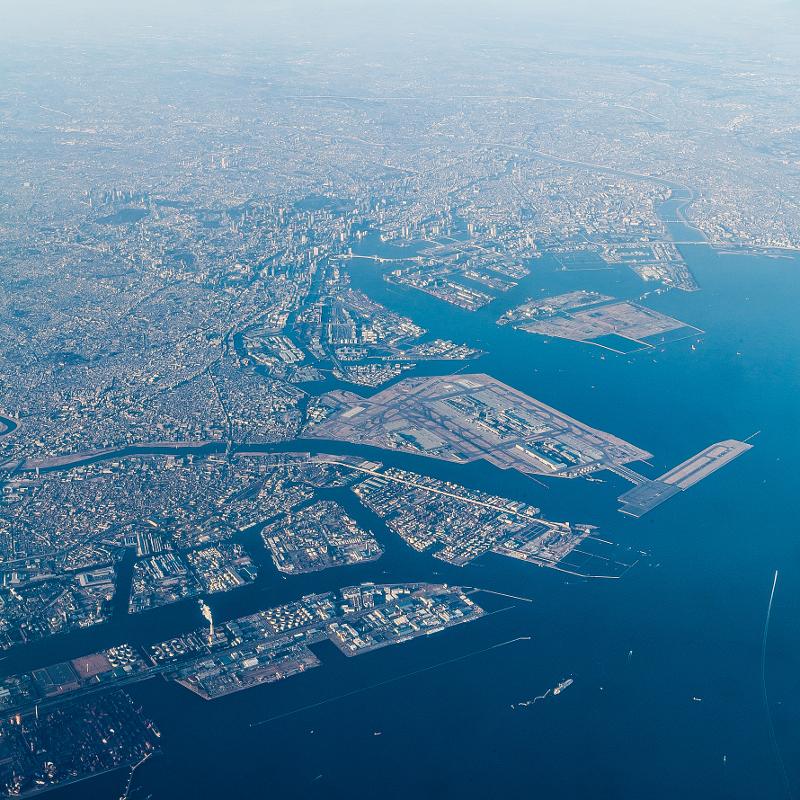
The environmental laws of the mid-20th century offered little protection against this accumulation. Japan's Basic Law for Environmental Pollution Control was not enacted until 1967, a full decade after the Toyosu plant began operations. By the time strict regulations came into force, the ground beneath the factory was already heavily compromised. Tokyo Gas operated the facility with a focus on efficiency and volume. The "Spherical Gas Holders", giant, globe-shaped tanks that became a local landmark, stood atop ground that was slowly turning into a toxic reservoir. The company's transition to Liquefied Natural Gas (LNG) in the 1970s marked the beginning of the end for coal-based production, yet the damage was irreversible. In 1988, Tokyo Gas ceased gas production at the Toyosu site. The closure marked the end of the heavy industrial era for the district, yet it initiated a new, silent emergency. The factory structures were demolished, the chemical footprint remained. For nearly a decade, the land sat largely dormant, a brownfield site in the heart of a rapidly expanding metropolis. The surface was cleared of steel and concrete, the subsurface retained the chemical memory of three billion cubic meters of gas production. When the Tokyo Metropolitan Government began to eye the site as a chance replacement for the aging Tsukiji Market, the due diligence process revealed the extent of the problem. Early soil surveys in the late 1990s and early 2000s indicated that the pollution was not localized to specific "hotspots" was pervasive across the 40-hectare plot. The benzene plume had migrated through the permeable fill, trapped by the clay of the original seabed. This geological trap prevented the toxins from washing away into Tokyo Bay, creating a subterranean pool of carcinogens directly beneath the future site of the world's largest fish market. The remediation efforts that followed the plant's closure were controversial and, as later evidence would prove, insufficient. Tokyo Gas undertook a cleanup project between 1998 and 2001, removing surface soil and treating specific zones. They declared the site safe for development. Yet, the methodology used during this period focused on the top two meters of soil. The heavy gases and liquid byproducts had sunk much deeper. The decision to build a fresh food market on this specific plot of land required a level of environmental purity that the site simply did not possess. The clash between the site's toxic history and its intended sanitary future would become the central conflict of the Toyosu Market project. The legacy of the Tokyo Gas plant is not one of industrial production of environmental negligence born of need. The drive to rebuild Tokyo after World War II necessitated energy at any cost. That cost was paid by the land itself. The soil at Toyosu serves as a geological record of Japan's high-growth period, a stratum of earth infused with the chemical exhaust of the 20th century. As the city moved toward the new millennium, the physical reality of this contamination stood in direct opposition to the political to relocate Tsukiji. The toxins were not just numbers on a report; they were physical entities, liters of benzene and grams of cyanide, waiting in the dark earth for the construction crews to arrive.
Tsukiji Relocation Mandate and Site Selection Controversy (2001, 2011)
By the turn of the millennium, the Tsukiji Market had devolved from a symbol of reconstruction into a crumbling, hazardous relic. Built in 1935 to accommodate the logistics of a pre-war metropolis, the facility was physically disintegrating under the weight of twenty- -century commerce. The open-air design, once praised for ventilation, had become a sanitary nightmare where temperature control was impossible. Birds flew freely through the auction halls, and wind blew dust directly onto millions of dollars worth of raw tuna. More worrying, a 2000 survey confirmed the presence of sprayed asbestos in the market's ceiling insulation, transforming the site into a chance respiratory time bomb for the 40, 000 workers who navigated its narrow, turret-truck-choked daily. The Tokyo Metropolitan Government (TMG) faced an inescapable conclusion: renovation was logistically impossible without halting the food supply for 12 million people. Relocation was the only route forward.
In December 2001, the TMG formalized this need through the "Seventh Central Wholesale Market Development Plan," which explicitly the Toyosu district as the future home of the world's largest fish market. The selection of Toyosu, a reclaimed island in Koto Ward located just two kilometers from Tsukiji, was driven by proximity and the availability of a massive, contiguous plot of land, Block 6. Governor Shintaro Ishihara, a brash nationalist who had taken office in 1999, championed the move as a of his vision to modernize Tokyo's waterfront. The logic appeared sound on paper: Toyosu offered 40 hectares of space, enough to build a sealed, cold-chain-compliant facility that would meet global hygiene standards. Yet, this administrative mandate ignored the dark industrial history buried beneath the soil of Block 6.
From 1956 to 1988, Tokyo Gas had operated one of Japan's largest coal gasification plants on the very site earmarked for the new market. For three decades, the facility churned out city gas by heating coal and oil, a dirty process that produced massive quantities of toxic byproducts, including coal tar, benzene, cyanogen, and heavy metals. When the plant closed, the hazardous residues did not; they seeped deep into the porous, reclaimed earth. The TMG's decision to place a fresh food market atop a former chemical processing site sparked immediate skepticism, yet officials initially downplayed the risks, relying on the assumption that standard remediation techniques would suffice.
The veneer of safety shattered in 2007 when the TMG conducted a detailed soil survey. The results were catastrophic. Investigators discovered benzene, a known carcinogen, at concentrations 1, 500 times the environmental safety limit. Cyanogen, a deadly poison, was found at 490 times the limit. Further testing in 2008 worsened the picture, revealing localized benzene hotspots with concentrations a 43, 000 times the legal standard. The soil was not dirty; it was saturated with a "black substance", viscous coal tar that had pooled in the groundwater and soil. The ignited a firestorm of public outrage. Market merchants, already skeptical of leaving their spiritual home in Tsukiji, formed opposition groups, arguing that moving the "Kitchen of Japan" to a toxic waste dump was an act of negligence.
To quell the growing insurrection, the TMG convened a Technical Committee of experts to devise a solution. In 2008, this committee proposed a radical and expensive remediation plan known as the "Moriudo" (soil fill) strategy. The plan promised to remove the top two meters of contaminated soil across the entire 40-hectare site and replace it with 2. 5 meters of fresh, clean earth. This 4. 5-meter barrier was sold to the public and the merchants as an impenetrable shield that would permanently separate the food supply from the toxins. Governor Ishihara and TMG officials pledged that this "clean soil" would extend under all buildings, creating a pristine foundation for the new market. This pledge became the social contract upon which the relocation hinged.
While the technical debate raged, the financial of the relocation ground forward. Negotiations between the TMG and Tokyo Gas regarding the land sale were with complexity. Tokyo Gas, aware of the contamination, was hesitant to bear the full cost of remediation for a project they did not initiate. The TMG, desperate to secure the land, engaged in a high- negotiation that would later draw intense scrutiny. The final agreement, reached in 2011, stipulated a sale price of approximately 55. 9 billion yen. Crucially, the deal capped Tokyo Gas's liability for pollution countermeasures at roughly 7. 8 billion yen, leaving the taxpayers of Tokyo to shoulder the ballooning costs of the massive cleanup operation, which would eventually run into the hundreds of billions.
Nature, yet, intervened to test the viability of the Toyosu site before a single foundation was poured. On March 11, 2011, the Great East Japan Earthquake struck the Tohoku region, sending violent tremors rolling through Tokyo. While the city was spared the devastation of the tsunami, the reclaimed islands of Tokyo Bay suffered severe liquefaction. At the proposed Toyosu Market site, the ground convulsed. Surveys conducted in the days following the quake documented over 100 locations where sand and muddy water had boiled up from the earth, cracking pavements and destabilizing the soil. The liquefaction proved that the reclaimed land was geologically unstable, raising terrifying questions about what would happen if the toxic slurry beneath the surface was forced up into the market during a future seismic event.
Even with the visible evidence of liquefaction and the unresolved anxiety over soil toxicity, the bureaucratic momentum was unstoppable. On March 25, 2011, mere weeks after the earthquake and while the country was still in the throes of a nuclear emergency, Tokyo Gas and the Tokyo Metropolitan Government signed the final land transfer agreement. The timing was brazen. The TMG committed to purchasing the land and proceeding with the project at the exact moment when the physical stability of the site was most in question. This decision locked Tokyo into a route of no return, setting the stage for a decade of construction scandals, cover-ups, and ballooning budgets that would haunt the legacy of the Toyosu Market.
| Substance | Source of Contamination | Detected Level (Max) | Environmental Standard | Multiplier (Approx) |
|---|---|---|---|---|
| Benzene | Coal Gasification Byproduct | 43, 000 mg/L (hotspot) | 0. 01 mg/L | 43, 000x |
| Cyanogen | Gas Purification Process | 490 mg/L | Not Detectable | 490x |
| Arsenic | Coal Impurities | 49 mg/L | 0. 01 mg/L | 49x |
| Lead | Industrial Residue | High concentrations | 0. 01 mg/L | Significant Excess |
The signing of the 2011 agreement marked the end of the selection phase and the beginning of the construction phase, yet it did nothing to resolve the fundamental conflict. The "clean soil" pledge remained the only assurance against the toxic legacy of the Tokyo Gas plant. Unknown to the public, the merchants, and the assembly members, the seeds of a massive deception were already being sown. The TMG's engineering departments were quietly altering the blueprints, deviating from the Technical Committee's recommendations in a bid to cut costs and accommodate complex underground infrastructure. The decision to abandon the full soil replacement under the main buildings, a betrayal that would not be discovered until 2016, was likely germinating during this chaotic period of post-earthquake planning. The mandate to move had been secured, the moral and technical foundation of the Toyosu Market was already rotting from the inside out.
Benzene and Cyanogen Detection in Groundwater (2008, 2016)

The environmental toxicity of the Toyosu Market site is inextricably linked to its industrial predecessor, the Tokyo Gas Toyosu Plant, which operated from 1956 to 1988. For over three decades, this facility served as a primary node for coal gasification, a process that converts coal into combustible gas. While this operation powered the post-war economic boom of the capital, it simultaneously saturated the reclaimed land with hazardous byproducts. The gasification process generates coal tar, a viscous liquid containing high concentrations of benzene, cyanogen, arsenic, and lead. Unlike modern natural gas terminals which handle relatively clean methane, the coal-based technology of the mid-20th century left a heavy chemical footprint. These toxins did not when the plant closed; they seeped deep into the porous soil and groundwater, creating a subterranean reservoir of carcinogens that would lie dormant until the relocation of the Tsukiji Market was proposed.
In 2008, the Tokyo Metropolitan Government (TMG) conducted a geological survey that shattered the assumption of safety. The results were worrying. At specific "hot spots" within the 40-hectare site, investigators detected benzene at concentrations 43, 000 times the environmental safety standard set by the Japanese government. Cyanogen, a potent toxin frequently associated with mining and metallurgy, was found at levels 860 times the limit. These figures were not marginal violations; they represented a catastrophic level of contamination that classified the land as a brownfield site unfit for human habitation, let alone a wholesale food market responsible for feeding the world's largest metropolis. The sheer magnitude of the toxicity forced the TMG to acknowledge that the site required radical intervention before any construction could begin.
To address this contamination, the TMG convened a Technical Committee of experts who devised a specific remediation strategy in 2008. The plan was explicit: the top two meters of contaminated soil would be removed across the entire site. Following this excavation, a fresh of clean soil, 4. 5 meters thick, would be deposited to create a physical barrier between the remaining deep-soil toxins and the market infrastructure. This "mori-do" (soil embankment) method was the condition upon which the safety of the project rested. The TMG allocated 85. 8 billion yen for these soil pollution countermeasures, promising the public and the Tsukiji merchants that the new market would sit atop a pristine of earth, completely from the industrial sins of the past.
Construction proceeded between 2011 and 2014, ostensibly following these strict guidelines. Official documents and website updates from the TMG consistently depicted the market buildings resting on the promised 4. 5-meter of clean fill. Yet, in September 2016, newly elected Governor Yuriko Koike exposed a massive gap between the public plan and the physical reality. An emergency investigation revealed that the clean soil was entirely absent under the five main market buildings. Instead of a solid earth embankment, the structures sat upon hollow concrete basements, vast, empty utility chambers that had never been disclosed to the public or the market wholesalers. This deviation meant that the barrier intended to block rising toxic vapors did not exist in the most sensitive areas of the facility.
The discovery of these hollow spaces immediately led to a secondary: the basements were not dry. Inspection teams found large pools of standing water, 20 centimeters deep, accumulating in the bottom of these concrete chambers. Initial explanations from TMG bureaucrats suggested this was rainwater or seepage. Subsequent testing proved otherwise. Analysis of the stagnant water revealed the presence of arsenic and benzene, confirming that groundwater was penetrating the concrete foundations. The alkalinity of the water was also high, indicating contact with fresh concrete, the chemical signature pointed to the underlying contaminated aquifer. The "impermeable" shield was permeable, and the hollow basements were acting as collection sumps for the toxic groundwater rising from.
The groundwater monitoring program, intended to verify the success of the remediation, became a subject of intense scrutiny. From 2014 to mid-2016, the TMG conducted seven rounds of groundwater testing. These reports consistently showed benzene and cyanogen levels within or near safety standards, lulling the public into a sense of security. The methodology and timing of these tests, yet, were later questioned. The situation changed drastically with the release of data from the eighth and ninth rounds of testing in late 2016 and early 2017. The eighth round detected benzene at levels slightly above the limit, the ninth round, sampled in late 2016, delivered a shock. Benzene levels spiked to 79 times the environmental standard in certain wells. Cyanogen was detected at 1. 2 mg/L, a clear violation of the "Not Detected" standard mandated for toxic substances.
| Date/Event | Substance | Detected Level | Standard Limit | Multiple of Limit |
|---|---|---|---|---|
| 2008 (Initial Survey) | Benzene | 430 mg/L (approx) | 0. 01 mg/L | 43, 000x |
| 2008 (Initial Survey) | Cyanogen | 86 mg/L (approx) | Not Detected | 860x |
| 2016 (Round 8) | Benzene | 0. 014 mg/L | 0. 01 mg/L | 1. 4x |
| 2016 (Round 8) | Arsenic | 0. 019 mg/L | 0. 01 mg/L | 1. 9x |
| Late 2016 (Round 9) | Benzene | 0. 79 mg/L | 0. 01 mg/L | 79x |
| Late 2016 (Round 9) | Cyanogen | 1. 2 mg/L | Not Detected | Detected |
The sudden surge in detected contamination levels in late 2016 dismantled the narrative that the 85. 8 billion yen cleanup had been. Experts pointed to the possibility that the fluctuating water table, influenced by heavy rains and the cessation of pumping operations, had mobilized pockets of deep-soil contamination. The benzene, a volatile organic compound, poses serious health risks including leukemia and bone marrow failure. Its presence at 79 times the limit in the groundwater immediately beneath a fresh food market was a public health matter that could not be ignored. The cyanogen detection was equally troubling, as this compound can release cyanide, a deadly poison, under certain chemical conditions. The presence of these toxins in the monitoring wells proved that the pollution plume from the Tokyo Gas era remained active and mobile.
Bureaucratic obfuscation exacerbated the technical failures. The decision to replace the clean soil with hollow basements was made in secret meetings by the TMG's construction department, bypassing the expert Technical Committee that had mandated the soil barrier. Minutes from these meetings were either nonexistent or heavily redacted, making it difficult to pinpoint the exact individual responsible for the change. The rationale offered later, that the basements were necessary for pipe maintenance and future monitoring, failed to explain why this design change was hidden from the public for five years. The deception eroded trust in the TMG's safety assurances, leading to the indefinite postponement of the market's opening originally scheduled for November 2016. The Toyosu site, intended to be a state-of-the-art facility, stood instead as a monument to industrial negligence and administrative opacity.
Construction Budget Inflation and General Contractor Bids
| Facility (Block) | Lead Contractor | Winning Bid (JPY) | Bid-to-Ceiling Ratio |
|---|---|---|---|
| Block 5: Fruit & Veg | Kajima Corp | ~25 Billion | 99. 9% |
| Block 6: Fisheries Intermediate | Shimizu Corp | ~44 Billion | 99. 9% |
| Block 7: Fisheries Wholesale | Taisei Corp | ~43. 5 Billion | 99. 96% |
The suspicion of collusion deepened when subsequent investigations revealed that the structural designs had been altered without public disclosure. The original budget included funds for a thick of clean soil under the buildings to act as a barrier against the toxic contaminants lingering from the Tokyo Gas era. Instead, the contractors built hollow concrete basements. While this change ostensibly removed the need for massive soil importation, the construction costs did not decrease. The savings from the omitted soil into the accounts of the *zenekon*, while the TMG later spent billions more on additional groundwater management systems when the basement "puddles" containing cyanide and benzene were discovered in 2016. By 2026, the financial load of these decisions continues to weigh on the Tokyo Central Wholesale Market Account. The market operates with a structural deficit, exacerbated by the fact that transaction volumes have not met the optimistic set in 2014. The 2026 New Year's auction saw a bluefin tuna sell for a record 510 million yen ($3. 2 million) to the operator of Sushi Zanmai, a figure that generated global headlines. Yet, this ceremonial extravagance masks the grim reality of the market's balance sheet. The daily operations struggle to cover the debt service payments on the 600 billion yen construction bill, a cost that is passed down to the intermediate wholesalers and, by extension, the residents of Tokyo. The inflation of the Toyosu budget was not an accident of market forces a feature of Tokyo's construction politics. The "slide clauses" in the contracts allowed costs to balloon further even after the suspicious 2014 bids, ostensibly to adjust for inflation and wage increases. These method ensured that the *zenekon* faced zero financial risk, while the city assumed total liability for a project built on poisoned ground. The between the 99 billion yen initially earmarked for construction and the final tally stands as a permanent testament to the power of the construction lobby over municipal governance.
Governor Koike's 2016 Postponement Order and Safety Audits
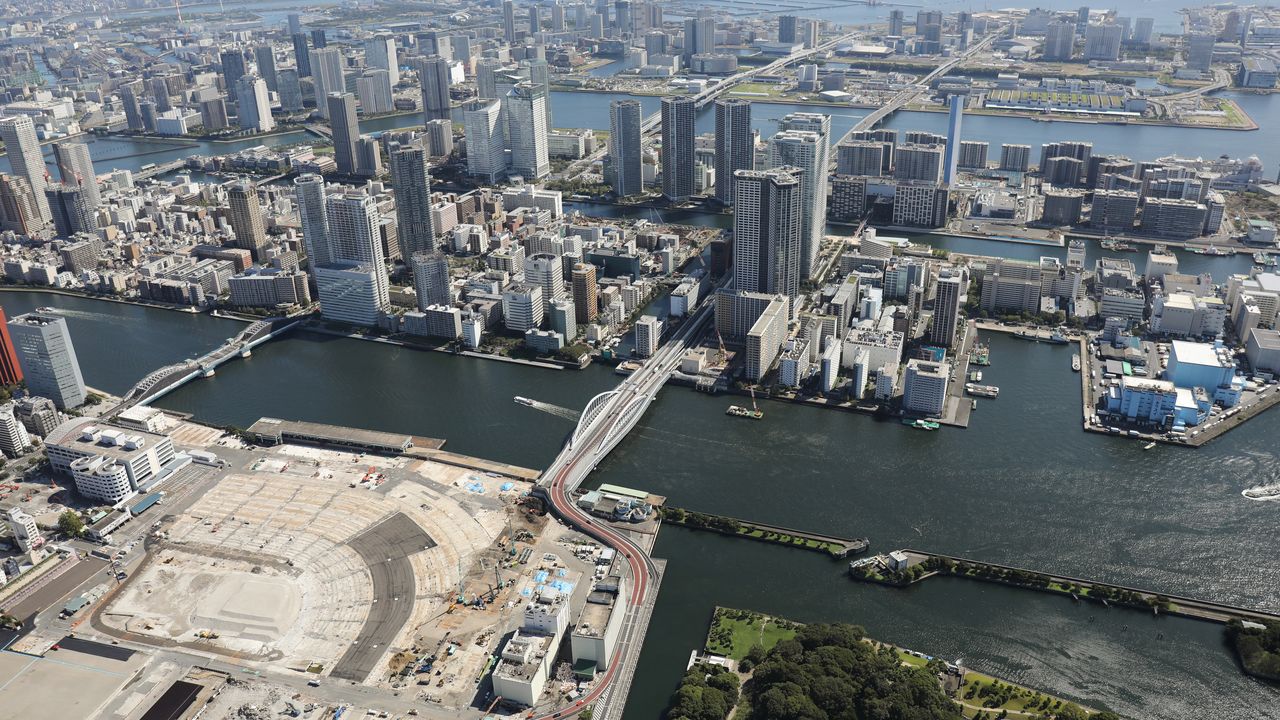
On August 31, 2016, newly elected Tokyo Governor Yuriko Koike issued an emergency order that halted the decades-long momentum of the Tsukiji relocation. Just two months before the scheduled November 7 opening, Koike suspended the move to Toyosu, citing serious concerns over safety and unclear construction costs. This decision, which she described as a "pause for verification," unraveled a bureaucratic cover-up that had for years. The governor's intervention exposed a fundamental gap between the safety measures promised to the public and the physical reality of the new market site. The immediate paralyzed the Tokyo Metropolitan Government (TMG) and left hundreds of seafood wholesalers in financial limbo, load by investments in a facility they could not enter.
The core of the scandal emerged in September 2016, when TMG investigations revealed the absence of the "morido" (clean soil). Since 2008, city officials had publicly guaranteed that the contaminated soil at the former Tokyo Gas plant would be removed and replaced with a 4. 5-meter of pristine earth across the entire site. This soil barrier was the primary defense against the arsenic, benzene, and cyanogen remaining in the substrate. Yet, inspections proved that under the five main market buildings, this soil did not exist. Instead, engineers had constructed hollow concrete basements to house piping and utilities. This deviation from the master plan occurred in secret around 2011, authorized by a closed-door decision-making process that no current official would initially claim.
Public trust collapsed further in January 2017 with the release of the ninth groundwater monitoring survey. Previous tests by the TMG had shown contaminant levels environmental standards, a convenient narrative that supported the original opening schedule. The ninth survey, conducted under stricter independent oversight, produced radically different data. Benzene, a known carcinogen, appeared at levels 79 times the environmental safety limit. Arsenic and cyanogen also registered well above permissible thresholds. The sudden spike in toxicity readings suggested that previous monitoring might have been flawed or manipulated, forcing the administration to acknowledge that the site remained chemically unstable.
Subsequent re-testing in March 2017 confirmed the severity of the contamination. Benzene levels climbed even higher, reaching 100 times the government standard in specific test wells. These findings validated the fears of the "Project Team" (PT), a task force appointed by Koike to re-examine the site's safety. The PT argued that the hollow basements allowed toxic vapors to accumulate, chance infiltrating the fresh food handling areas above. This scientific reality clashed with the "Expert Council," a separate body of establishment scholars who insisted that the concrete floors provided an adequate seal. The debate shifted from anzen (scientific safety) to anshin (peace of mind), with the governor insisting that a market absence public confidence could not open.
| Substance | Environmental Standard | Detected Level (Jan 2017) | Multiplier |
|---|---|---|---|
| Benzene | 0. 01 mg/L | 0. 79 mg/L | 79x |
| Arsenic | 0. 01 mg/L | 0. 038 mg/L | 3. 8x |
| Cyanogen | Not Detected | Detected (1. 2 mg/L) | Infinite (Zero Tolerance) |
The political accountability for this failure landed on former Governor Shintaro Ishihara, the original architect of the move. In March 2017, the Tokyo Metropolitan Assembly summoned the 84-year-old Ishihara to testify under oath, invoking Article 100 of the Local Autonomy Act, a rare investigative power. Ishihara admitted to signing the final authorization denied knowledge of the specific engineering changes that eliminated the clean soil. He attributed the technical details to his subordinates and the expert panels, famously stating he "simply stamped the hanko (seal)" on documents prepared by staff. This testimony highlighted a widespread diffusion of responsibility within the TMG, where serious changes to safety occurred without clear executive ownership.
Financial consequences of the delay mounted daily. The maintenance of the empty Toyosu facility cost the city approximately 5 million yen per day in security, electricity, and climate control. Simultaneously, the TMG faced liability claims from Tsukiji businesses that had purchased expensive refrigeration equipment and trucks for the November 2016 opening. of these companies carried dual loans, paying for new leases at Toyosu while stuck in the decaying infrastructure of Tsukiji. The total compensation package for the delay eventually ballooned into the billions of yen, a cost borne entirely by Tokyo taxpayers. This financial intensified the pressure on Koike to find a remediation solution rather than abandon the project entirely.
Ten years before the record-breaking 2026 New Year's auction, where a 243-kilogram bluefin tuna would sell for 510 million yen, the viability of Toyosu Market appeared nonexistent. The 2016-2017 period defined the market not as a center of commerce, as a symbol of administrative negligence. The discovery of the hollow basements and the toxic groundwater forced the TMG to retrofit the facility with additional ventilation systems and concrete seals, a process that would push the actual opening date to October 2018. Koike's intervention, while politically divisive, prevented the market from opening with a compromised environmental shield, establishing a precedent that operational safety must precede commercial expediency.
Underground Water Management System Failures and Retrofitting
The underground water management emergency at Toyosu Market represents a catastrophic failure of modern civil engineering and bureaucratic oversight, rooted in the site's toxic industrial legacy. While the surface-level facilities of the market were designed to be state-of-the-art, the subterranean reality revealed a dangerous disconnect between planning and execution. The core of this failure was the 2016 of the "missing fill" (morido) scandal, where the promised 4. 5-meter of clean soil, intended to act as a barrier against rising toxic groundwater, was inexplicably omitted under the market's five main buildings. Instead, hollow concrete chambers were constructed, creating vast, unventilated basements that immediately began to accumulate contaminated water.
This structural void allowed groundwater, tainted by decades of coal gas production, to seep into the facility's foundations. In 2016, inspectors discovered pools of standing water approximately 20 centimeters deep in these basement spaces. Subsequent testing in January 2018 revealed benzene levels at 130 times the government safety limit, alongside elevated concentrations of arsenic and cyanogen. The presence of these toxins confirmed that the hollow chambers were acting not as a buffer, as a collection vessel for the site's poisonous effluent. The failure was compounded by the site's geology; Toyosu is built on reclaimed land that is highly permeable and subject to liquefaction, meaning the groundwater table is inextricably linked to the fluctuations of Tokyo Bay.
The Tokyo Metropolitan Government (TMG) was forced to initiate an emergency retrofitting program to salvage the project before its delayed opening. This remedial work, ordered by Governor Yuriko Koike, focused on sealing the basement floors and managing the water table. A specialized groundwater management system was installed, involving the excavation of hundreds of new pumping wells designed to forcibly lower the water table the level of the fill. The specific cost for these additional pumping measures alone was reported at approximately 3. 8 billion yen ($33. 5 million). also, the bare concrete floors of the basement chambers, originally left exposed, were coated with specialized sealants to prevent volatile organic compounds (VOCs) from vaporizing into the market halls above.
even with these expensive interventions, the system has faced persistent operational challenges. In October 2018, just days before the market's grand opening, a typhoon caused groundwater levels to spike, threatening to inundate the newly installed pumps. This incident exposed the fragility of the "active management" method; unlike a passive soil barrier, the pumping system requires constant energy and maintenance to hold back the toxic. If the pumps fail or are overwhelmed by a storm surge, a frequent occurrence in Tokyo Bay, the contaminated water rises immediately. The total cost of the relocation project, ballooning to over 600 billion yen, was driven significantly by these unforeseen remediation works and the delays they caused.
Data from 2019 to 2024 indicates that while the retrofitted systems have prevented a catastrophic breach of the market floors, the underlying contamination remains potent. Regular monitoring reports from the TMG continue to detect benzene and arsenic in the observation wells, necessitating the perpetual operation of the purification plant. The "pump and treat" strategy means the market is sitting on a permanent remediation site. As of early 2026, the market functions without daily disruption, evidenced by the record-breaking 510 million yen tuna auction in January, yet the underground water management system remains a serious, high-maintenance life support system for the entire facility.
| Metric | Value / Detail | Significance |
|---|---|---|
| Benzene Peak Level | 130x Safety Standard (2018) | Indicates severe, persistent soil toxicity from former gas plant operations. |
| Missing Soil | 4. 5 meters (replaced by hollow voids) | Primary engineering failure that allowed water accumulation in basements. |
| Basement Flooding | ~20 cm depth (2016) | Proved the hollow chambers were not watertight and to seepage. |
| Remedial Pump Cost | 3. 8 Billion Yen ($33. 5M) | Cost for emergency installation of hundreds of drainage wells in 2017. |
| Total Project Cost | ~600 Billion Yen | Massive overrun due to delays and safety retrofits (orig. est. ~431B Yen). |
| Current Status (2026) | Operational / Active Pumping | System requires perpetual energy input to suppress toxic water table. |
October 2018 Operational Launch and Logistics Traffic Data

| Metric | Tsukiji (2017) | Toyosu (2019) | Toyosu (2023) |
|---|---|---|---|
| Annual Seafood Volume | ~400, 000 tons | ~330, 000 tons | ~290, 000 tons |
| Daily Transaction Value | ~1. 6 billion yen | ~1. 5 billion yen | ~1. 3 billion yen |
| Logistics Access Points | Multiple (Open) | Restricted (Gated) | Restricted (Gated) |
The decline in tonnage, dropping 300, 000 tons by 2023, cannot be blamed solely on the relocation. It coincides with a broader collapse in Japan's domestic seafood consumption and poor catches of staples like saury and squid. Yet, the high overhead costs of the Toyosu facility, combined with the logistical rigidity, have squeezed the margins of intermediate wholesalers (naka-oroshi). smaller family-run operations that survived the chaos of Tsukiji could not sustain the higher operational costs and stricter compliance requirements of the new facility, leading to a consolidation of vendors. By 2024, the market faced a new external threat: the "2024 Logistics Problem." On April 1, 2024, Japan enforced strict caps on overtime hours for truck drivers to combat labor absence and overwork. For Toyosu, which relies on drivers arriving from ports across Japan in the middle of the night to meet the 5: 00 AM auction bell, this legislation was a shock to the system. Logistics companies raised rates to compensate for the need to hire more drivers to cover the same routes, inflating the final price of fish. The "free" flexibility that the market once enjoyed, where drivers would wait unpaid for hours to unload, was legally dismantled. Even with these structural headwinds, the market has maintained its status as the global price-setter for premium seafood. The January 5, 2026, New Year's auction set a historic record, with a 243-kilogram bluefin tuna from Oma selling for 510 million yen ($3. 2 million USD). This exorbitant price, paid by the operator of the Sushi Zanmai chain, shattered the previous 2019 record. While these ceremonial auctions generate headlines, they mask the daily reality of a logistics hub that is shrinking in volume while increasing in efficiency and cost. The "closed" nature of Toyosu, initially reviled by traditionalists, proved its worth during the extreme heatwaves of the 2020s. As Tokyo summers increasingly saw temperatures exceed 35°C, the air-conditioned, sanitary environment of Toyosu prevented spoilage rates that would have been catastrophic in the open-air sheds of Tsukiji. The facility maintains a strict temperature range of 10. 5°C to 25°C depending on the zone. This cold chain integrity has become Toyosu's primary selling point for export markets, allowing it to serve as a hub for flying high-grade fish to Hong Kong, New York, and Bangkok, even as domestic volume fades. The traffic situation eventually stabilized with the delayed opening of the Ring Road No. 2 tunnel in late 2022, which diverted through-traffic away from the market's surface entrances. By 2026, the chaotic queues of opening day have largely, replaced by a highly regimented, if somewhat sterile, flow of automated gate checks and scheduled dock times. The turret trucks still roam the halls, their movements are dictated by the rhythm of elevators and the strictures of a facility that prioritizes hygiene over the frenetic, human- energy of the past. Toyosu has succeeded in becoming a modern logistics, in doing so, it has fundamentally altered the speed and character of Tokyo's food distribution.
Fisheries and Produce Transaction Metrics (2019, 2025)
The operational history of Toyosu Market from its full year in 2019 through the quarter of 2026 reveals a facility fighting a structural war against demographic contraction and shifting dietary habits. While the facility was engineered to handle the massive throughput of the late 20th century, the actual transaction metrics tell a story of accelerated decline in volume, masked only partially by inflationary value spikes and performative auction records. By 2023, Toyosu handled approximately 290, 000 metric tons of marine products annually, a figure that stands in clear contrast to the 800, 000-ton peak of its predecessor, Tsukiji, in 1987. The market, built on reclaimed land designed to support a megacity's appetite, operates at a fraction of its theoretical capacity.
The year 2019 served as the baseline for Toyosu's operations, establishing a "new normal" that was already significantly historical expectations. yet, the onset of the COVID-19 pandemic in early 2020 shattered this baseline. Institutional demand from hotels, wedding venues, and corporate dining, the primary buyers of high-margin fresh fish, evaporated overnight. Transaction volumes did not dip; they shifted composition. High-value fresh fish (sen-gyo) struggled, while frozen and processed items for supermarket distribution remained stable. This shift exposed a vulnerability in Toyosu's business model, which relies heavily on the "mekiki" (connoisseurship) of intermediate wholesalers who service high-end gastronomy. When the high-end restaurants closed, the specialized wholesalers faced existential financial threats that government subsidies could only temporarily bandage.
By 2023 and 2024, as the pandemic restrictions lifted, the market faced a new adversary: the "2024 Problem" in Japanese logistics. The implementation of strict overtime caps for truck drivers on April 1, 2024, disrupted the precise, just-in-time delivery networks that bring fresh catch from ports like Kesennuma and Choshi to Tokyo. Freight rates surged, and the frequency of long-haul fresh deliveries decreased. Consequently, the transaction volume at Toyosu continued its secular decline, dropping 300, 000 tons. Yet, transaction values began to decouple from volume. Rampant inflation, fueled by a weak yen (which makes imported seafood like salmon and crab significantly more expensive) and rising fuel costs, pushed total transaction values upward. In 2023, even with record-low tonnage, the total value of fisheries transactions at Toyosu hovered near 450 billion yen.
The disconnect between the market's struggling daily reality and its public image is most visible in the annual New Year Bluefin Tuna Auction. This event has mutated from a commercial transaction into a marketing spectacle. On January 5, 2026, the market shattered all previous records when a 243-kilogram bluefin tuna from Oma, Aomori Prefecture, sold for a 510. 3 million yen (approximately 3. 3 million USD). This bid, placed by the operator of the Sushi Zanmai chain, obliterated the previous 2019 record of 333. 6 million yen. While these numbers generate global headlines, they are statistical outliers that distort the true economic health of the market. The daily average price for tuna rarely exceeds 10, 000 yen per kilogram, and the median wholesaler operates on razor-thin margins that have not recovered to pre-2019 levels.
| Year | Fisheries Volume (Est. Tons) | Fisheries Value Trend | New Year Top Tuna Bid (JPY) | Winning Bidder |
|---|---|---|---|---|
| 2019 | 360, 000 | Baseline | 333. 6 Million | Kiyomura (Sushi Zanmai) |
| 2020 | 330, 000 | Sharp Decline (COVID) | 193. 2 Million | Kiyomura (Sushi Zanmai) |
| 2021 | 310, 000 | Stagnant | 20. 8 Million | Yamayuki (Wholesaler) |
| 2022 | 305, 000 | Stagnant | 16. 9 Million | Yamayuki (Wholesaler) |
| 2023 | 290, 000 | Inflationary Rise | 36. 0 Million | Yamayuki (Wholesaler) |
| 2024 | 285, 000 | High (Weak Yen) | 114. 2 Million | Onodera Group |
| 2025 | 280, 000 | High (Weak Yen) | 207. 0 Million | Onodera Group |
| 2026 | 275, 000 (Proj) | Record High Unit Price | 510. 3 Million | Kiyomura (Sushi Zanmai) |
While fisheries garner the, the Fruit and Vegetable (Produce) section of Toyosu Market has functioned as a silent stabilizer. Occupying a separate facility connected by the complex's vast logistical arteries, the produce section has proven more resilient to the "fish-away" trend. Transaction volumes for produce have declined at a slower rate than marine products, supported by the consistent demand from Tokyo's supermarkets for high-quality domestic agriculture. yet, the produce sector is not immune to the logistics emergency. The 2024 labor regulations forced a consolidation of routes, leading to a reduction in the variety of niche, regional heirloom vegetables available on the auction floor. The market is increasingly dominated by standardized, high-yield crops that fit the automated specifications of large- retail buyers.
The opening of the "Senkyaku Banrai" facility in February 2024 marked a pivot in Toyosu's identity from a purely industrial hub to a hybrid tourist destination. While this commercial complex, featuring an Edo-themed street and hot springs, draws millions of visitors, its economic impact on the wholesale market is mixed. The retail spending at Senkyaku Banrai benefits the facility operators and select tenants, it does little to arrest the decline in wholesale tonnage moving through the auction halls. The tourists eating 5, 000-yen seafood bowls do not replace the volume lost from the closure of neighborhood fishmongers across the Kanto plain.
As of March 2026, Toyosu Market stands as a paradox of modern infrastructure. It is the world's most advanced cold-chain facility, capable of maintaining unbroken temperature controls from truck to stall to freezer. Yet, it services an industry in retreat. The data from 2019 to 2026 confirms that the facility's exceeds the current commercial reality of Japan's seafood trade. The market has successfully transitioned into a hub for export, sending premium fish to Hong Kong, Bangkok, and New York, its role as the "Kitchen of Tokyo" is diminishing as the city's residents consume less fish and the logistics network under labor absence. The record-breaking 2026 auction price is a flash of brilliance, the underlying metrics point to a difficult, contracting future.
Senkyaku Banrai Commercial Complex Revenue and Tourism (2024, 2026)
| Metric | 2024 (Actual) | 2025 (Actual) | 2026 (Proj. Q1) |
|---|---|---|---|
| Inbound Visitors (National) | 36. 87 Million | 42. 70 Million | 10. 5 Million |
| Avg. Tourist Spending | ¥212, 000 | ¥238, 000 | ¥245, 000 |
| Senkyaku Banrai Entry | Free (Retail) | Free (Retail) | Free (Retail) |
| Manyo Club Admission | ¥3, 850 | ¥4, 000+ | ¥4, 200+ |
The architectural and operational reality of the complex further distanced it from the authentic market heritage. The "Edo-themed" streetscape, constructed with clean lines and theatrical lighting, functions as a theme park replica of a market rather than a functional trading hub. The Manyo Club onsen relies on daily tanker truck deliveries of thermal water from Hakone and Yugawara, roughly 100 kilometers away. This logistical feat, transporting thousands of liters of heated water daily to a reclaimed island in Tokyo Bay, demonstrates the facility's prioritization of luxury simulation over environmental or operational efficiency. The spa charges admission fees starting around 3, 850 yen, positioning it firmly in the upscale leisure category, inaccessible to the market laborers who populated the bathhouses of the old Tsukiji district. By late 2025, the revenue model faced geopolitical friction. While in total tourism numbers soared, a diplomatic dispute in December 2025 led to a 45% drop in Chinese visitors, a key demographic for high-end retail spending. yet, the diversification of the tourist base, with surges from South Korea, Taiwan, and the United States, insulated the facility from total collapse. The "inbound bowl" remained the primary economic unit; restaurants reported that foreign tourists comprised 60-70% of their clientele, frequently lining up for hours to purchase the high-priced seafood sets. Local Japanese residents, conversely, largely abandoned the site, viewing it as a "tourist trap" where the price-to-quality ratio had been distorted by foreign capital. The segregation of the Toyosu ecosystem is complete. The wholesale market operates behind high-security walls, inaccessible to the public and sterile in its precision. Senkyaku Banrai operates outside these walls, absorbing the chaotic demand for "market culture" and converting it into high-margin transaction data. The between the two is not cultural logistical: fish moves from the auction floor to the "Edo" theme park, where its value is multiplied not by culinary innovation, by the inflationary pressures of the global tourism trade. In 2026, Toyosu is no longer just a kitchen for Tokyo; it is a dining hall for the world, priced in yen valued in dollars.
Cold Chain Temperature Controls and Hygiene Protocols
The architectural transition from Tsukiji to Toyosu represents more than a geographic relocation; it marks the industrial shift from an open-air bazaar to a hermetically sealed logistics laboratory. For eighty-three years, the global benchmark for seafood quality operated in a facility where summer ambient temperatures frequently exceeded 30 degrees Celsius, exposing high-value protein to exhaust fumes, humidity, and vermin. Toyosu Market, by contrast, functions as a colossal refrigerator. The entire facility operates under a strict "closed system" mandate, maintaining a constant internal climate of 10. 5 degrees Celsius across its fisheries wholesale areas. This thermal rigidity is not a preference a biological need, designed to arrest the enzymatic decay of marine life the moment it enters the loading dock.
To understand the magnitude of this thermal engineering, one must examine the preservation methods that predated mechanical refrigeration. During the Edo period (1603, 1867), the Nihonbashi fish market relied on speed rather than cold. Without industrial ice, the supply chain depended on ikejime, a method of paralyzing fish to delay rigor mortis, and rapid distribution to local stalls. Preservation involved heavy salting, drying, or fermentation, techniques that birthed regional staples like kusaya and narezushi. Natural ice, harvested from frozen lakes and stored in himuro (ice chambers), was a luxury reserved for the aristocracy, not a tool for mass market hygiene. The concept of a "cold chain" did not exist; the market temperature was simply the weather.
When Tsukiji Market opened in 1935, it was hailed as a modern marvel, yet its design prioritized rail transport over temperature control. The facility featured a curved, open-sided structure intended to facilitate the movement of trains and airflow. By the late 20th century, this design proved fatal to hygiene standards. The absence of walls allowed birds, rodents, and insects free access to the auction floor. In the sweltering Tokyo summers, tons of ice were required simply to keep fish from spoiling on the concrete. A 2017 survey by the Tokyo Metropolitan Government estimated a population of over 500 rats residing within the Tsukiji complex, feasting on fish scraps in the unsealed drainage channels. The "open system" had become a sanitary liability, threatening Japan's export ambitions as global standards like HACCP (Hazard Analysis and serious Control Point) became mandatory for trade with the European Union and the United States.
Toyosu Market eradicates these variables through a -like method to climate control. The facility employs high-speed sheet shutters and air curtains at every entrance, preventing the intrusion of external heat and pests. The 10. 5 degrees Celsius standard is enforced by a centralized energy center that pumps chilled water through miles of piping, regulating the air temperature to a precision previously impossible. This specific temperature point is serious; it sits just above freezing to protect the texture of fresh fish while remaining low enough to inhibit the proliferation of histamine-producing bacteria like Morganella morganii. Data from the Tokyo Central Wholesale Market shows that energy consumption for this cooling operation constitutes a massive portion of the facility's operational budget, yet the reduction in spoilage rates justifies the expenditure.
Beyond the general wholesale floor lies the "ultra-low temperature" (ULT) zone, a domain governed by physics distinct from standard refrigeration. Here, the preservation of high-value tuna occurs at -60 degrees Celsius. At this temperature, all enzymatic activity ceases, and water molecules inside the fish cells do not form the large ice crystals that rupture cell walls at higher freezing points (like the standard -18 degrees Celsius of home freezers). This flash-freezing technology allows Toyosu to stockpile thousands of tons of bluefin tuna, smoothing out the volatility of catch rates. The technical specifications for these freezers require specialized coolants and insulation thickness exceeding 30 centimeters, creating a suspended animation that allows a tuna caught off the coast of Ireland to taste fresh in a Ginza sushi bar two years later.
Hygiene at Toyosu extend beyond temperature. The market enforces a strict one-way flow for goods to prevent cross-contamination. Fish enter through intake bays, move to the auction floor, then to intermediate wholesalers, and to the loading docks for distribution. Unlike Tsukiji, where tourists wandered inches from active carving knives, Toyosu physically separates visitors behind glass observation decks. This separation was a prerequisite for obtaining FSSC 22000 certification, a global food safety standard achieved by major wholesalers like Chuo Gyorui. This certification is the passport that allows Toyosu-processed fish to bypass strict quarantine checks in foreign markets, turning the facility into an international export hub.
Even with these advanced systems, the transition was not without serious stumbles. In the months following the October 2018 opening, the facility grappled with a severe mold outbreak. The airtight nature of the building, combined with the massive volume of water used for cleaning and ice melting, created humidity pockets that the ventilation system initially failed to clear. Inspectors found fungal growth on office furniture and documents in the intermediate wholesale building. Also, a fine "black dust" plagued the floors, eventually identified as rubber particulates worn off the tires of the thousands of turret trucks maneuvering on the abrasive anti-slip concrete. These incidents revealed that while the thermal envelope was secure, the internal moisture and particulate required recalibration.
The most persistent hygiene controversy, though physically separated from the food, involved the groundwater beneath the market. The site, formerly a Tokyo Gas plant, required the removal of two meters of topsoil and the installation of a fresh soil. Yet, monitoring wells in 2018 detected benzene levels 130 times the environmental standard in the deep groundwater. While officials and scientific panels repeatedly confirmed that this water never contacts the sealed concrete floor or the seafood, the data fueled a perception emergency. The solution involved sophisticated groundwater management systems that pump and treat the water to prevent it from rising, a continuous operation that adds another of complexity to the market's maintenance.
By 2024, Toyosu had largely stabilized its environmental controls, integrating digital transformation into its hygiene. Inspectors use tablets to log sanitation metrics in real-time, replacing the paper logs of the Tsukiji era. The "Toyosu Quality" brand rests on a foundation of verified data: temperature logs, bacterial counts, and chain-of-custody records that trace a fish from the hull of a vessel to the gate of the market. As the facility moves toward 2026, the focus shifts to automation, with trials of AI-monitored cold storage aimed at reducing the human traffic that remains the primary vector for contaminants. The market has evolved into a machine, one where the romance of the old chaotic bazaar has been traded for the cold, hard assurance of safety.
| Metric | Tsukiji Market (1935, 2018) | Toyosu Market (2018, Present) |
|---|---|---|
| Structure Type | Open-air, curved roof, no perimeter walls | Closed system, hermetically sealed, air curtains |
| Ambient Temp (Summer) | Ambient (up to 35°C+) | Controlled at 10. 5°C |
| Tuna Freezer Temp | Varied, older units at -50°C | Standardized ULT at -60°C |
| Pest Control | High infestation (500+ rats est. 2017) | Strict exclusion, shutter systems, near zero |
| Visitor Access | Direct contact with auction floor | Glass-partitioned observation decks only |
| Export Certification | Difficult due to open structure | HACCP / FSSC 22000 compliant design |
| Groundwater Status | Unknown/Unmonitored historically | Monitored (Benzene management systems active) |
Koto Ward Municipal Tax Revenue and Urban Development (2026 Status)
Koto Ward stands as a primary beneficiary of the Toyosu Market's economic integration, with 2026 data confirming the facility's role in stabilizing local municipal finances. The market, which replaced Tsukiji in 2018, anchors a commercial zone that generated a record-breaking ¥510 million ($3. 2 million) bid for a 243-kilogram bluefin tuna at the January 5, 2026, auction. This single transaction surpasses the 2019 record of ¥334 million, signaling a complete recovery in high-value marine trading following the volatility of the early 2020s. Market volume in 2023 reached 450 billion yen, and 2026 projections indicate sustained activity even with external economic pressures.
The opening of the Senkyaku Banrai facility (Toyosu Manyo Club) has further cemented the area's status as a dual-purpose logistics and tourism hub. This development coincides with a national surge in inbound travel, as Japan welcomed a record 42. 7 million foreign visitors in 2025. These tourists contributed ¥9. 5 trillion to the national economy, a portion of which flows directly into Koto Ward through consumption taxes and local business revenues. The influx of visitors to the Toyosu waterfront has diversified the ward's income sources beyond traditional residential and industrial taxes, creating a buffer against the 45% drop in Chinese visitors observed in December 2025 due to diplomatic tensions.
Demographic shifts within Koto Ward also drive its fiscal health. As of early 2026, the ward's population is estimated at approximately 513, 500 residents. This population base is characterized by high earning power; May 2025 data places the average taxable income in Koto Ward at ¥7. 79 million, ranking it among the wealthier municipalities in the Tokyo metropolitan area. This affluent resident base supports a stable municipal tax revenue stream, essential for funding infrastructure projects and public services. The ward's ability to attract high-income residents links directly to the redevelopment of the bay area, where luxury high-rise condominiums continue to replace older industrial zones.
Fiscal challenges remain for the 2026, 2027 period. While the Toyosu district thrives, broader economic indicators for Japan show a projected real GDP growth of only 0. 8% for 2026. Inflation remains near 2%, and the expiration of certain government economic support measures may household spending. Koto Ward officials must manage these headwinds while maintaining the infrastructure required to support both the dense residential population and the millions of annual visitors to the market complex. The integration of the market's logistics functions with the tourism appeal of Senkyaku Banrai serves as the central strategy for maintaining local economic stability through this period of slow national growth.